In the evolving world of music technology, a new kind of platform is shaking up how we think about music-making. Meet Rhythora a rhythm-based, interactive music game that’s blurring the line between gameplay and music production. It’s part remix tool, part performance space, and part creative playground.
But here’s the real question: Can a game like Rhythora actually make you a better musician? And how does it compare to the time-tested, professional-grade digital audio workstations (DAWs) like Ableton Live, FL Studio, or Logic Pro?
Let’s dive into this showdown between interactive play and traditional production, and explore whether gaming your way through music can unlock real creative skills.
What is a DAW (and Why It’s the Industry Standard)
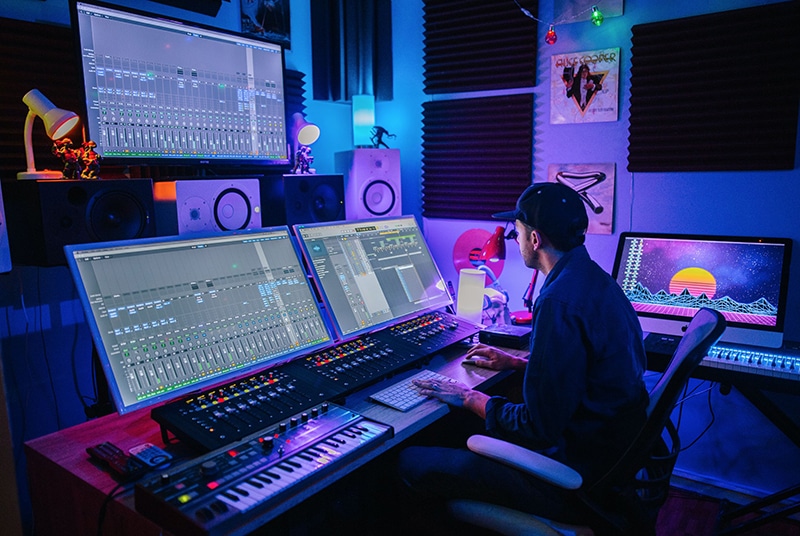
A Digital Audio Workstation (DAW) is a powerful piece of software that musicians, producers, sound designers, and engineers use to record, edit, arrange, and mix music. Whether you’re laying down vocals, creating beats, or scoring a film, DAWs offer deep control over every aspect of the sound.
DAWs are:
- Incredibly flexible and professional
- Feature-rich (automation, effects, MIDI, mastering tools)
- The backbone of the modern music industry
But they come with a steep learning curve, require a certain level of music theory or production knowledge, and can be overwhelming for beginners.
What is Rhythora?
Rhythora, on the other hand, is built like a rhythm game—but with creative power at its core. Players remix tracks in real-time using stems (vocals, bass, drums, synths, etc.), apply effects, adjust tempo, and create seamless transitions, all while staying rhythmically in sync with a visual interface.
Think of it as a fusion of DJ software, beat-making tools, and gameplay mechanics. No production degrees or complex menus required just rhythm, intuition, and creativity.
Skill Development: Intuition vs. Technical Mastery
Here’s where things get interesting. Traditional DAWs teach you the “how” of music production technical skills like EQ, compression, MIDI programming, and arrangement. They’re essential for professional-level music.
But Rhythora teaches something just as valuable: musical intuition.
By interacting with music in real-time, players naturally develop:
- A sense of timing and rhythm
- An ear for layering and texture
- An understanding of song structure
- The confidence to improvise and explore
Many of these are the foundations of musicianship, and they’re taught in Rhythora not through tutorials, but through play.
Creativity vs. Complexity
DAWs are precise, but sometimes creatively paralyzing. With so many options and settings, it’s easy to get caught in endless tweaking rather than finishing music.
Rhythora, by contrast, embraces constraints that fuel creativity. Limited stem choices and real-time interaction encourage flow over perfection, which is especially powerful for beginners or creators looking to escape creative blocks.
It’s a space where:
- Experimentation is rewarded
- Happy accidents lead to new ideas
- You “feel” the music, not just build it
Who Is Each Tool Best For?
| User Type | Rhythora | Traditional DAW |
|---|---|---|
| Beginners | Super accessible, intuitive | Steep learning curve |
| Hobbyists | Fun, fast, musical | Great for home studios |
| Live Performers | Real-time remixing | Pro DJ and live setups |
| Professional Producers | Limited control | Full precision & features |
| Collaborators | Built-in social tools | File sharing required |
Can Rhythora Complement DAWs?
Absolutely. Many users start in Rhythora and graduate to DAWs once they build confidence. Others use Rhythora as a sketchpad for live ideas, then export those ideas into a full DAW for polishing.
The two don’t have to compete they can coexist beautifully. Rhythora gets you in the zone. DAWs help you refine and finalize. Together, they offer a complete creative workflow: from inspiration to production.
Final Verdict: Can a Game Make You a Better Musician?
Yes if it’s Rhythora.
While Rhythora might not replace DAWs for professional mixing or mastering, it excels at something DAWs often struggle with: removing the fear from making music.
It turns learning into play, complexity into creativity, and solo music-making into a social experience. In doing so, it nurtures core musical skills that can carry over into any instrument, software, or stage.
So if you’re looking to become a better musician—not just a better producer Rhythora might just be the best game you’ve ever played.
 Rhythora